Every rental venue knows the same scene. A first-timer turns in early, the rear steps out, the kart kisses the barrier at walking pace, and the customer spends the rest of the session watching from the fence. Nothing was wrong with the machine. What went missing was thirty seconds of drift kart instruction before the green light.
Sliding a rental kart is not a talent. It is a sequence: load the outside wheel, release the throttle, let the rear axle break away, catch it with steering. Taught in that order, most beginners produce one clean slide inside their first session. Taught as “go faster and you will feel it,” most of them never do. That sequence is the whole drift kart lesson, and it fits on one side of a briefing card.
What a Beginner Actually Needs From a Drift Kart
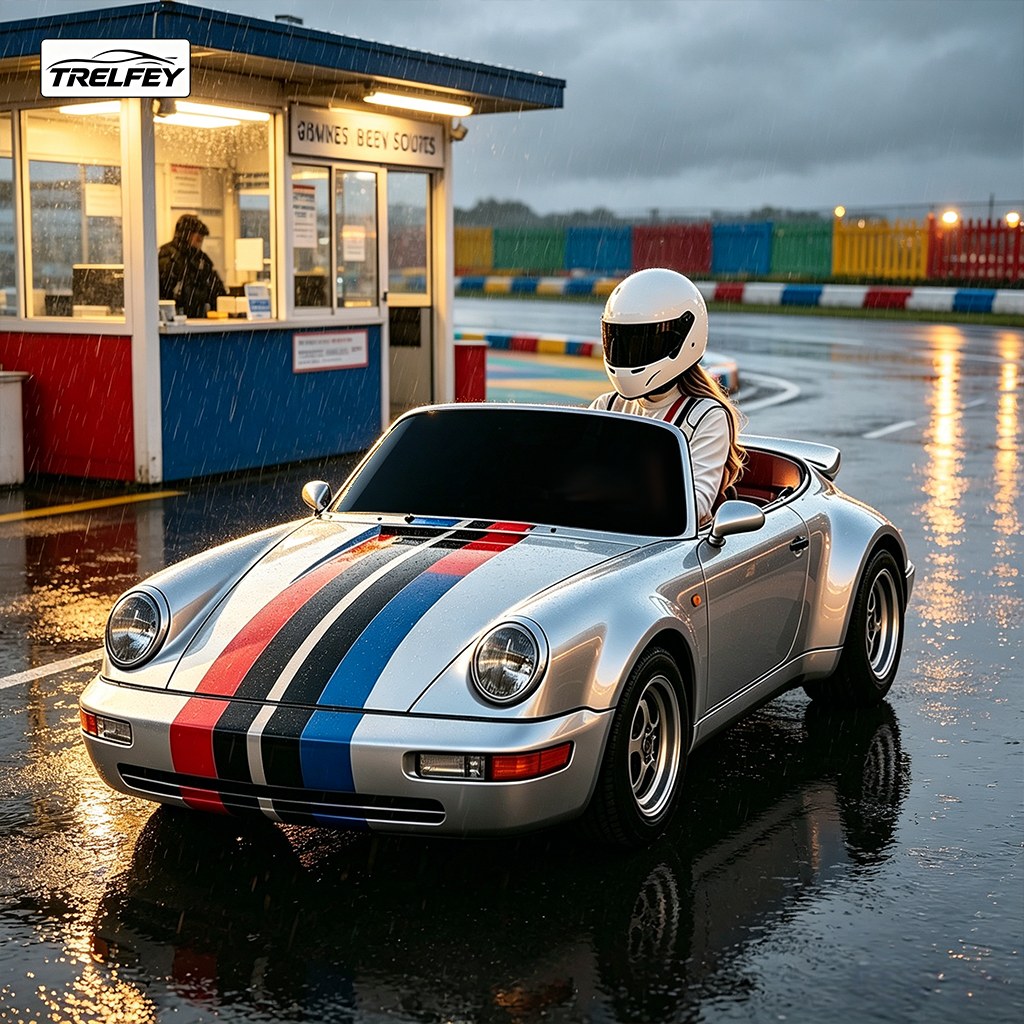
A coaching kart has one job: it must break away at a speed the customer can still think at. A 2500 W mid-drive machine that reaches 80 km/h (50 mph) on a long straight is the wrong classroom for lap one. The same chassis on a short, tight layout is exactly right. Pick the drift kart your nervous customer can drive, not the one that wins the staff race.
Three qualities decide whether the lesson lands:
- Predictable breakaway. The rear lets go at a consistent steering angle, not all at once and not only when the driver is already committed.
- Linear pedals. Small inputs produce small results, so a nervous driver can feel the difference between 30 percent and 60 percent throttle.
- A seat that holds the driver. A body sliding across the cockpit reads as a slide to the driver, even when the kart is straight.
Speed impresses the returning customer. Predictability teaches the new one, and the new one is where your repeat business starts.
The 8-Minute Drift Kart Drill Any Marshal Can Run
You do not need a former racer on the payroll. You need a script short enough to run from memory in the pit lane before the session clock starts. This one takes eight minutes, needs no extra equipment, and works on karts from 60 km/h (37 mph) beginner models to full-size rentals.
| Phase | Drill | Pass condition |
|---|---|---|
| 0-2 min | Push test | Kart rolls straight when pushed, wheels turned, then released |
| 2-4 min | Outside-wheel load | Driver names which wheel is loaded before turning in |
| 4-6 min | Two-pedal turn | Kart turns without the brake lights coming on |
| 6-8 min | One controlled slide | Rear steps out and recovers inside the same corner |
Minute 0-2: The Push Test
With the motor off, the marshal pushes the kart while the driver holds a quarter turn of steering, then lets go. The kart should roll, resist slightly, then straighten. That is the driver’s first feel of a rear axle that grips and releases.
Repeat it once with the driver turning the other way. Two pushes cost ninety seconds and remove the most common first-lap panic: the driver who does not know what a sliding rear feels like and mistakes it for a fault.
Minute 2-4: Load the Outside Wheel
Out on track, the driver does one lap at half throttle and says out loud which wheel is carrying weight through each corner. The verbal part matters. A driver who can name the loaded wheel is already transferring weight on purpose instead of by accident.
Most beginners brake too late here, so the kart arrives at the corner with the nose already turned and nothing left to release. If the kart is fighting the driver, the fix is earlier braking, not more steering.
Minute 4-8: One Slide, Then Stop
Now the throttle release. The driver enters the same corner, lifts smoothly at the apex marker, and lets the rear step out before catching it with a small counter-steer. One slide is the target. Two is showing off, and showing off is how karts meet barriers.
Give the drill a stop rule: two spins in a row sends the driver back to the push test, never to a faster lap. Beginners who are told to try harder slide wider, brake later, and lose confidence in exactly the order you do not want.
Grip Is the Enemy: Teach Drift Kart Slides on Damp Tarmac
The fastest way to teach a slide is to take grip away. A damp surface cuts the speed at which the rear breaks away, which means the same slide happens at a pace the driver can correct. Hose the beginner line before the first coaching block, not after.
Wet work also exposes bad hands. A driver who saws at the wheel in the dry will spin in the damp within two corners, and that is useful information for a marshal before the customer joins a full session. That is the drift kart lesson at its best: the slide arrives slowly enough to be corrected. Keep the same barrier layout, keep the same briefing, and change only the speed you allow.
Why Your Drift Kart Fleet Is Better Off Without a Drift Ring
A drift ring lets the rear wheels rotate at different speeds so the kart can pivot without scrubbing both tires across the surface. On a purpose-built drift chassis it is a feature. On a rental fleet it is a wear item that behaves differently on every kart.
Every ring adds a bearing, a collar and an inspection point at each rear corner. It also splits the rear into two independent halves, so a tired bearing on one side shows up as a kart that slides one way and grips the other. Your marshal then has to remember which kart does what, and every drift kart in the shed ends up with its own note on the workshop wall.
A solid rear axle is duller and cheaper to own. Both wheels drive, both wheels wear at the same rate, and one spare part covers the whole fleet. For teaching beginners, that consistency is worth more than the extra rotation a ring provides, and your service bay will notice the difference within a season.
Instructor Rules That Keep the Lesson Safe
A drill is only as good as the rules around it. Five rules cover most of what goes wrong during coached sessions:
- One speed setting per group. Do not mix a restricted beginner kart with an open one on the same drill.
- Three-second gap, no overtaking. A slide needs space behind it, and a following kart removes the space.
- Helmet, seat and restraint check at pit exit. Every session, every driver, no exceptions for regulars.
- Coach from the marshal post. Never stand in a live lane to gesture a driver through a corner.
- Stop on the first red flag. “One more lap” is how a controlled drill becomes an incident report.
Write the drill into your risk assessment and your staff induction, not just the briefing card. The UK Health and Safety Executive’s risk assessment guidance is a practical template for small venues, and if you run competitive sessions, align your flag and spacing rules with your national federation. FIA Karting publishes the sporting framework most of them follow, and the FIA site carries the wider safety material behind it.
What to Charge for a Coached Drift Kart Session
Coaching is not a freebie you throw in to look friendly. Sell it as a named upgrade inside the session fee, booked at the desk, so it never creates a second queue or a separate calendar slot. Ten minutes of marshal time is the cheapest retention tool a venue owns, and it is far cheaper than the advertising spend needed to replace a customer who left after one bad lap.
The packaging matters more than the price. Call it First Lap Coaching, cap it at four drivers, and hand out a printed card with the four drill names on it. The card goes home in a pocket, which is exactly where you want your venue to be when the next birthday booking is discussed.
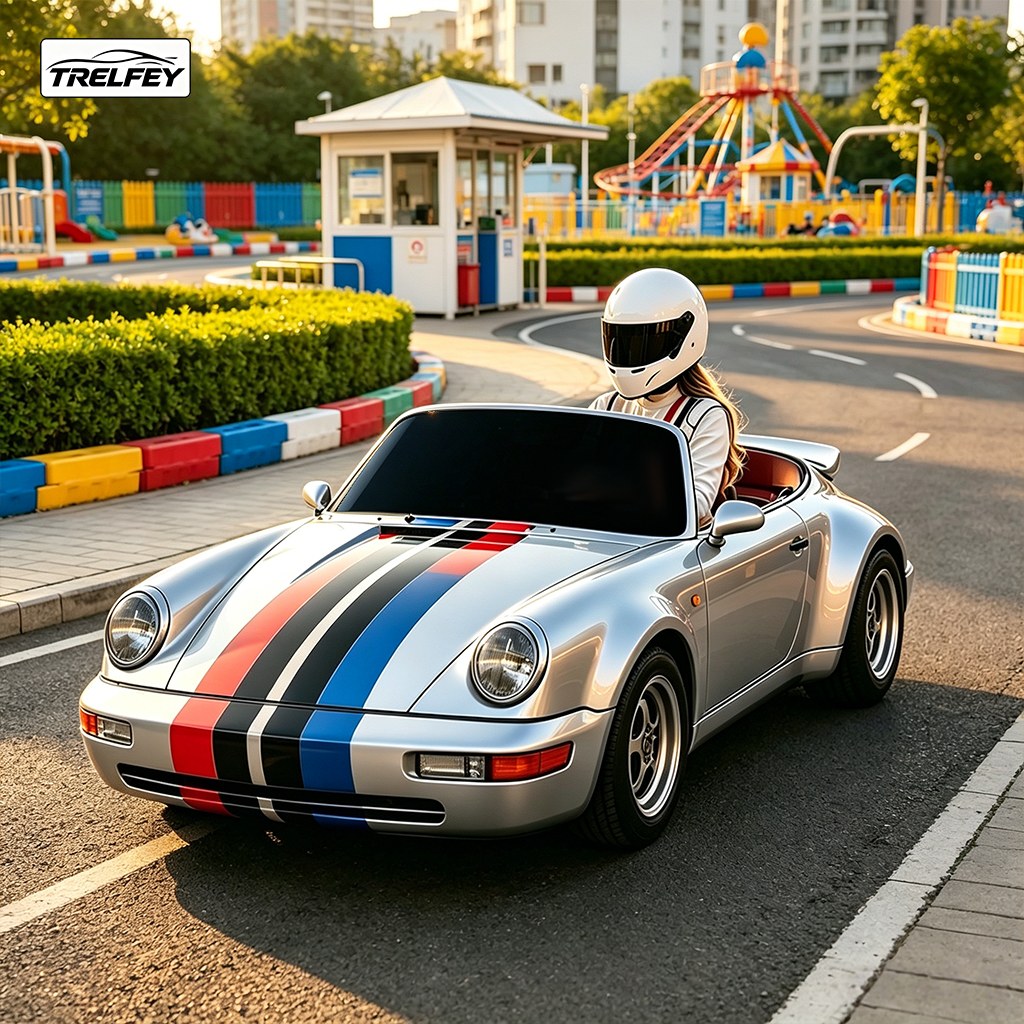
Family entertainment venues get a second benefit here. Parents who watch a coached session see structure rather than chaos, and structured sessions are easier to sell to schools, party groups and corporate bookings than open track time.
Choosing a Drift Kart for a Rental Fleet
Match the drift kart to the driver, not to the brochure. For a beginner-heavy floor, a GT3-style chassis capped at 60 km/h (37 mph) keeps the drill inside a speed the customer can process. It weighs 220 kg (485 lb) and still carries a 300 kg (661 lb) load rating. The GT3-style beginner kart is built for that job.
For headline sessions and experienced groups, the P964-style cabrio runs a 2500 W mid-drive motor on a 72 V 50 Ah pack. It tops out at 80 km/h (50 mph), covers 60 km (37 mi) on a charge, and carries the same 300 kg (661 lb) load rating. The wide-body version uses the same drivetrain in a broader shell, which suits venues running mixed adult groups.
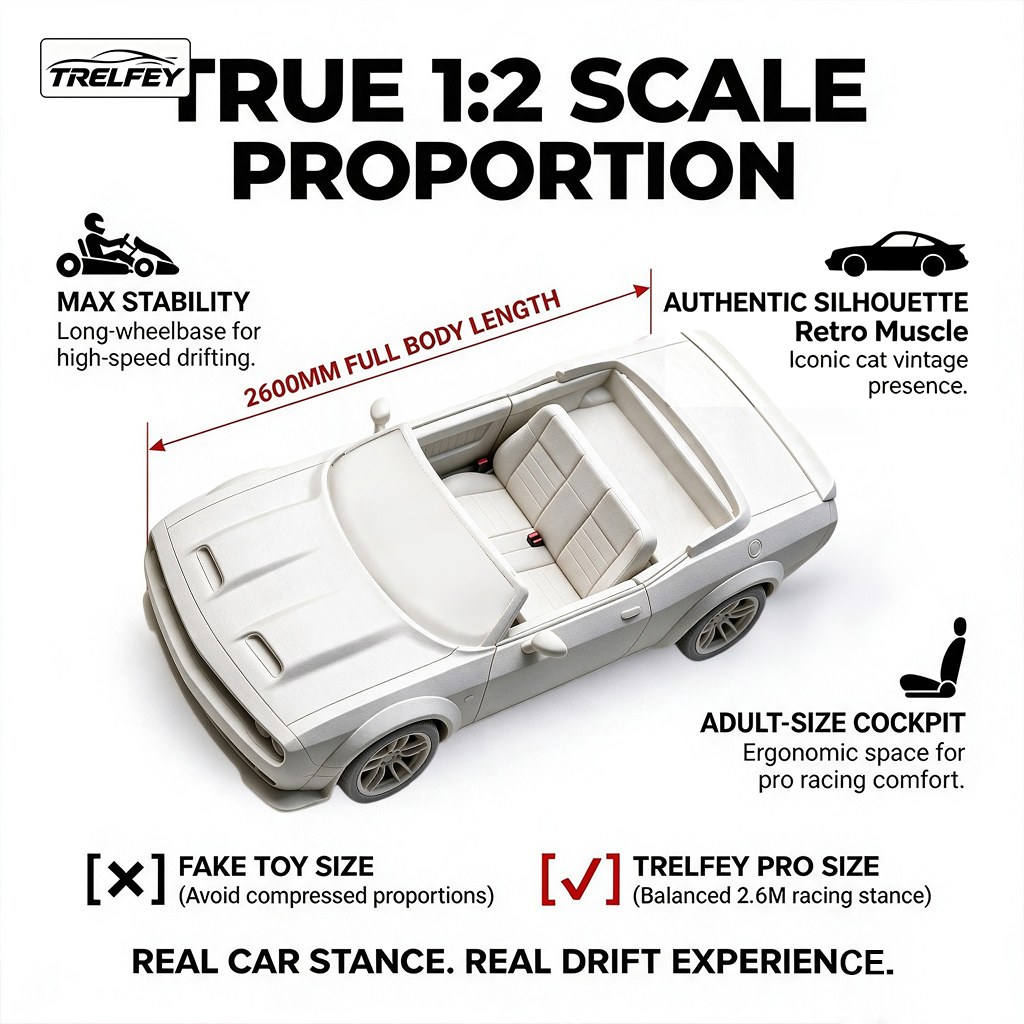
Wheelbase is the specification most buyers skim past. A longer chassis is calmer at the limit and gives a beginner more time to catch a slide, which is why the fleet that teaches well is rarely the fleet with the shortest lap times. Ask for the full body length and the seating position before you compare prices.
Once the spec is settled, the commercial side is usually a fleet question rather than a single-unit question. Our fleet and venue solutions page covers mixed fleets, and custom livery and trim is where most venues put their own branding instead of leaving a plain shell on the grid.
From Lap One to Visit Five
The economics of a karting venue are decided in the first ninety seconds of a customer’s first session. A driver who slides once, understands why, and recovers will book again. A driver who spins into a barrier on lap one will post a review about the karts instead of the track.
Eight minutes of scripted drift kart instruction, a damp beginner line, and a rear axle that behaves the same on every kart in the fleet will do more for your repeat rate than another round of discount vouchers. None of the three costs much to deliver. Start with one drill, run it for a month, and count how many first-timers come back for a second session.
If you are still specifying the fleet that will run those sessions, the full range sits on our kart range page, and the team can match chassis, speed cap and livery to the drivers you actually serve.