
Kart replacement is usually filed under capital spending, but it is really a scheduling problem. Retire a unit three months late and you pay in technician hours, refunds, and a dead slot in your busiest session block. Retire it three months early and you spend money you did not need to spend yet.
This guide gives you five signals that a rental unit is finished, a scorecard to score them without arguing about it, and a kart replacement plan that does not wreck cash flow in the middle of peak season.
Why Kart Replacement Gets Delayed
Most operators already know which kart is the problem. The delay is rarely about diagnosis; it is about how the decision gets made. Three habits stretch the life of a unit past the point where it earns its keep.
- Repairs hide in the operating budget. A new unit needs a capital approval. A repair is a small line item nobody has to defend.
- The unit still starts. “It runs” becomes the standard, even when it runs badly, slowly, or only after a long warm-up.
- Downtime feels riskier than overspending. Ordering a replacement means admitting a gap in the grid, so the gap gets deferred instead of planned.
Each habit is reasonable alone. Together they produce a fleet where the oldest units absorb a disproportionate share of workshop time and the newest units get pulled in as substitutes. The kart replacement decision then gets made by a failure, on the failure’s schedule.
Signal 1: Maintenance Hours That Keep Climbing
Track technician hours per 100 operating hours for every unit, and start the clock the day it enters service. The first two quarters give you a baseline that reflects your track, your drivers, and your session length. After that, the trend matters more than the number.
A unit that drifts 20% above its own baseline is normal wear. One that holds 20% to 60% above baseline for two consecutive quarters is telling you the wear has moved from consumables into structure. Rebuild cost starts to overlap replacement cost at that point, and the overlap rarely reverses.
How to capture the number without extra admin
- Put a unit number on every job card, not just a symptom.
- Log hours from the session controller, not the roster, so idle time does not dilute the ratio.
- Review the ratio monthly, sorted worst first, and look for clusters rather than single spikes.
The cluster is the useful part. Three units climbing together usually means a track feature, a driver-training gap, or a batch of parts.
Signal 2: Structural Wear That Forces Kart Replacement
Consumables are a maintenance plan. Structure is a replacement decision. The difference shows up in what happens after a proper service: if the play, the noise, or the pull returns within a few sessions, you are no longer adjusting wear, you are hiding it.
Walk the unit after a session, while everything is warm. Check the frame around the motor mount and seat mounts for cracks or fresh paint over old welds. Rock the steering through its free play and watch the kingpins and tie rods rather than the wheel.
Checks that belong on the retirement list
- Cracks or weld repairs at the motor mount, seat frame, or axle bearing carriers
- Steering free play that returns within a week of adjustment
- Brake travel that grows back after bleeding, or a pedal box that flexes under load
- Wheel bearing play that returns after replacement, suggesting a worn hub or spindle
Any one of these on a kart carrying guests is a stop-work item, not a scheduling item. Inspection regimes vary by jurisdiction; the UK HSE guidance for fairgrounds and amusement devices shows how far a written inspection and record-keeping system is expected to go.
Signal 3: Battery Packs That No Longer Hold a Shift
On electric fleets, capacity fade is the quietest signal because it never breaks. The kart still runs, it just stops finishing a block. Crews compensate with mid-block swaps, then with shorter sessions, then with a fleet that quietly loses throughput.
Lithium packs lose usable capacity with cycling and with calendar age, and the loss accelerates at high states of charge and high temperatures, as Cadex’s Battery University reference on lithium-based batteries documents. In a rental environment, a summer afternoon costs more pack life than a winter morning.
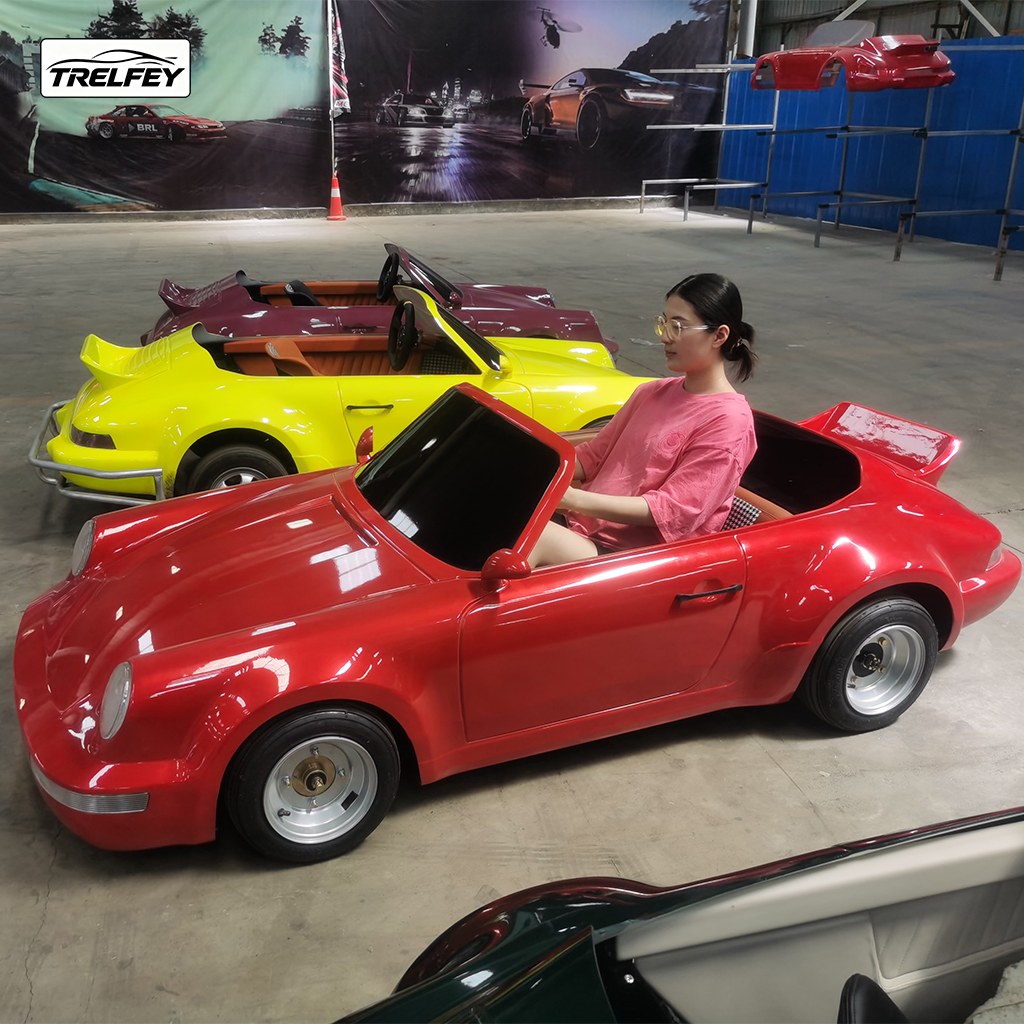
Our 964-style and muscle-style units run a 2,500 W mid-drive motor on a 72 V 50 Ah pack, rated at 80 km/h (50 mph) with 60 km (37 mi) of range and a 300 kg (661 lb) payload on a closed course. Those figures describe a healthy pack. A pack at 70% of rated capacity still delivers speed but not range, which is how a fleet loses sessions without a single fault code.
Measuring fade without a lab
Pick one reference route, one driver weight class, and one session length, then record the state of charge at the end. Repeat quarterly on the same unit and you get a comparable number. When usable session time per charge drops below the block you sell, the pack is setting your schedule.
Signal 4: Parts Lead Times and Guest Complaints
Two softer signals usually arrive before the hard ones. The first is a parts list that keeps growing exceptions: standard stock items become two-to-four week waits, and one or two parts become custom orders with no firm date. A unit waiting on a part for a month is not in your fleet, it is in your workshop.
The second is complaint language. “Slow” and “smells” are maintenance notes. “Pulls to the left”, “brake feels weird”, and “the seat moves” are structural notes. Repetition is the tell: the same complaint about the same unit, twice in a month, after a documented repair, belongs on the kart replacement queue.
This is where spare-part discipline pays for itself. Standing spares for the parts you replace most often, plus a documented service history per unit, let you retire tired units on your schedule instead of a failure schedule. Our support and parts channel exists for exactly this reason.
The Kart Replacement Scorecard
Score every unit once a quarter on the five signals below. The thresholds are starting points: calibrate them against your own baseline in the first year, then keep them fixed so the conversation stays about data.
| Signal | Green | Amber | Red |
|---|---|---|---|
| Technician hours per 100 operating hours | Within 20% of commissioning baseline | 20% to 60% above baseline for two quarters | More than 60% above baseline |
| Frame, steering, brakes | No play, no weld repairs | Play returns after adjustment | Cracks, recurring play, flexing pedal box |
| Usable session time per charge | Full block, no swap | One swap per block | Two or more swaps per block |
| Parts availability | Standard stock items | Two-to-four week waits | Custom part, no firm date |
| Guest complaints | Isolated | Repeated handling or noise complaints | Any safety-related complaint |
Read the score as a portfolio, not a verdict. One red means stop-work and repair before the next session. Three ambers on the same unit moves it into this quarter’s kart replacement budget. A fleet with no ambers for two quarters is usually being scored by the person who drives it best.
Planning Kart Replacement Around Your Season
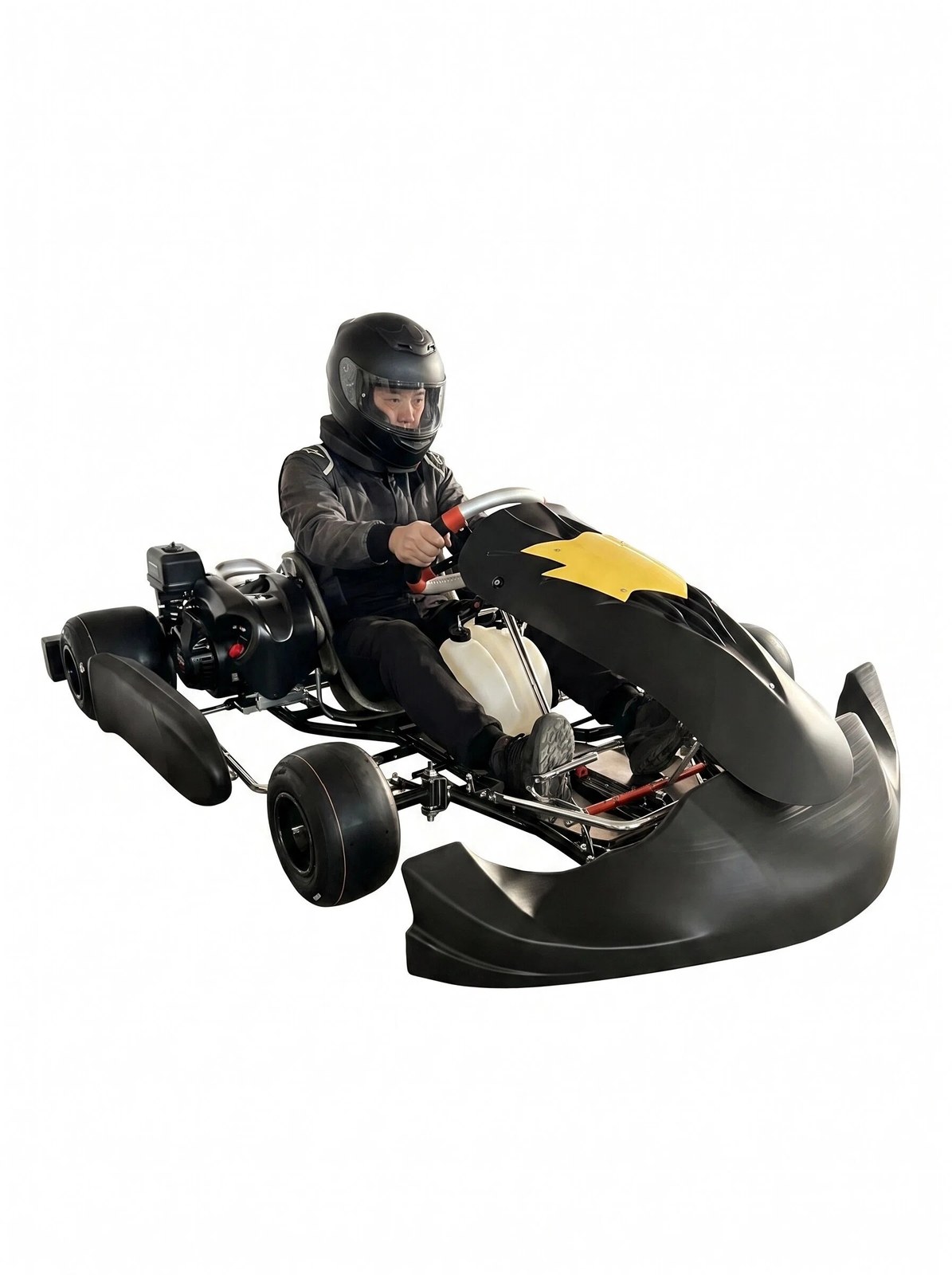
The cheapest replacement is the one that arrives in a slow month and is commissioned before the busy one. Work backwards from your peak: allow commissioning time, a shakedown period, and staff familiarization before the unit carries paying guests.
Replace in ones and twos rather than in a block. A rolling kart replacement plan keeps the spend inside a quarter you can absorb, keeps a spare available during changeover, and gives your crew time to learn the new unit’s service rhythm. It also keeps the fleet mix current instead of resetting every unit to the same age.
If you run mixed groups, the plan is also a product decision. A faster unit for experienced drivers and a slower one for first-timers spreads wear more evenly than a uniform fleet, and it matches what families actually buy. That is the logic behind our fleet and venue solutions: the right mix, not the biggest order.
What to Check on the Replacement Unit
The replacement is a ten-year decision, so check it the way you check a used unit: on the parts that fail first. Payload, speed class, battery access, and parts commonality matter more than the shape of the bodywork.
- Payload and seating. 300 kg (661 lb) covers two adults or an adult and two children; less than that narrows your group sizes.
- Speed class. A 60 km/h (37 mph) unit such as the GT3-style at 220 kg (485 lb) kerb suits junior and mixed sessions; an 80 km/h (50 mph) unit suits open sessions and experienced drivers.
- Battery access. A pack you can swap in minutes protects a peak block. A pack behind six fasteners does not.
- Parts commonality. Shared bearings, brakes, and steering components across the fleet halve the spares you carry.
- Documentation. A CE file with the technical file behind it, not just a sticker, plus a manual your technicians can use.
Paperwork before price
New units placed on the EU market must meet the Machinery Directive 2006/42/EC, which is why the paperwork question belongs in the purchase conversation, not the delivery conversation. Ask for the declaration of conformity and the technical file reference before you sign.
Compare on the numbers you will live with
Then compare the shortlist on consumable prices, session time per charge, service access, and whether the bodywork comes off in one panel or twelve. Our full model range lists specifications side by side if you want a starting point.
Kart replacement is not a judgment call about how a kart looks. It is a comparison between keeping a unit and replacing it, measured in hours, session time, parts waits, and complaint patterns. Score the fleet quarterly, retire on three ambers, and buy in the slow months. If you want the scorecard adapted to your track, session length, and fleet mix, send us your unit list and we will work the thresholds through with you.