
Most rental fleets do not fail on the track. They fail on a Tuesday morning, with three karts refusing to start and the first school group already in the briefing room. A go kart maintenance checklist is the cheapest insurance against that morning. It costs twenty minutes, a torch and a pressure gauge.
The list below is the one we hand to operators running electric drift fleets. It works from six karts in a mall basement to forty on a purpose-built indoor circuit. It splits into daily, weekly and monthly work, because the failure modes do not all run on the same clock. Five of the nine checks take five minutes. The other four need a stand and a spanner.
Why a Go Kart Maintenance Checklist Beats Reactive Repairs
Reactive maintenance always looks cheaper in month one. You fix what breaks, and nobody pays to inspect a kart that is running fine. By month six the arithmetic flips. A tire run to the cord takes the rim with it. A dry kingpin takes the spindle, and a battery deep-cycled twice takes the whole pack.
There is a revenue side too. A kart off the track for an afternoon is a seat you cannot sell. On a Saturday that seat is worth more than the part that failed. Rank every check by that cost, not by the price of the component.
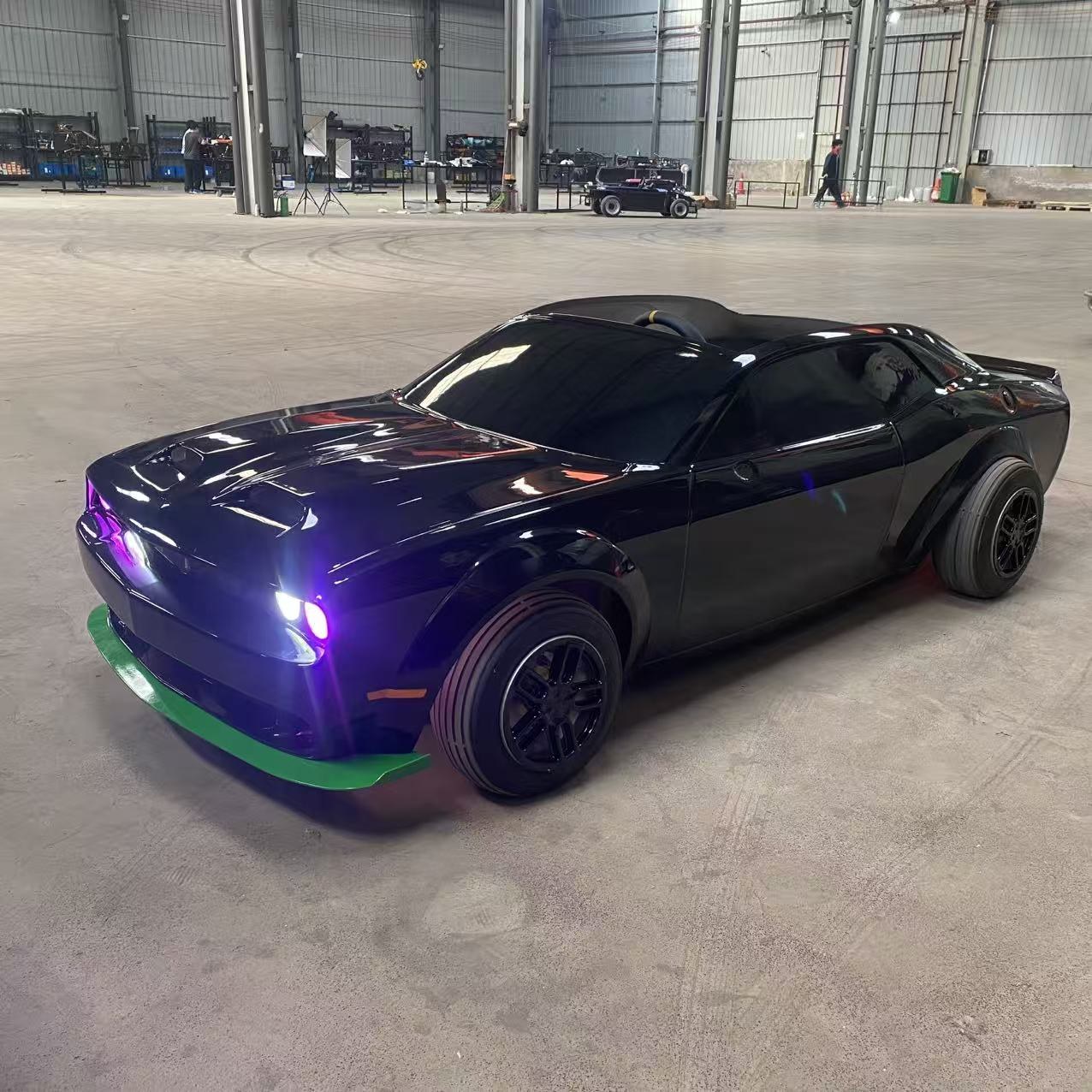
The Daily Walk-Around: Five Minutes Before You Open
Do this with the karts cold and the lights on. It is a look-and-touch pass, not a service. It is also the part of the go kart maintenance checklist that pays back fastest.
- Tires. Run a hand around each tire. A flat spot or a cord showing means the kart leaves the line-up, not “just one more session”.
- Wheels and nuts. Check the four wheel nuts by hand, then rock each wheel. Movement means a bearing or a spacer problem.
- Brakes. Push the kart a metre and press the pedal. It should stop square, not pull to one side.
- Steering. Turn the wheel a quarter each way at walking speed. A click or a grind is a joint on its way out.
- Panels and seat. A loose panel becomes a sharp edge. A loose seat becomes a complaint at the counter.
Log anything you find, even when you do not fix it that day. The log is how you spot the kart that eats parts every week.
Weekly Checks: Tires, Brakes and Fasteners
Once a week, put the fleet on stands and work through the items that need a spanner. This is the half of the go kart maintenance checklist that costs workshop hours. On an electric drift kart, the rear axle and the outer shoulder of the rear tires carry almost all of the wear.
| Item | Interval | What fails first | Cost if missed |
|---|---|---|---|
| Rear tire tread and pressure | Pressure each session, tread weekly | Outer shoulder, then cord | Rim plus a lost session |
| Brake pads and disc | Weekly | Inner pad, uneven wear | Disc replacement |
| Wheel bearings and hubs | Weekly | Play, then a rumble | Spindle and hub |
| Steering joints and kingpins | Grease weekly, check monthly | Dry joint, then play | Steering rack |
| Battery terminals and connectors | Weekly | Loose terminal, local heat | Connector and cable |
| Chassis welds and motor mount | Monthly | Motor mount, axle carrier | Chassis |
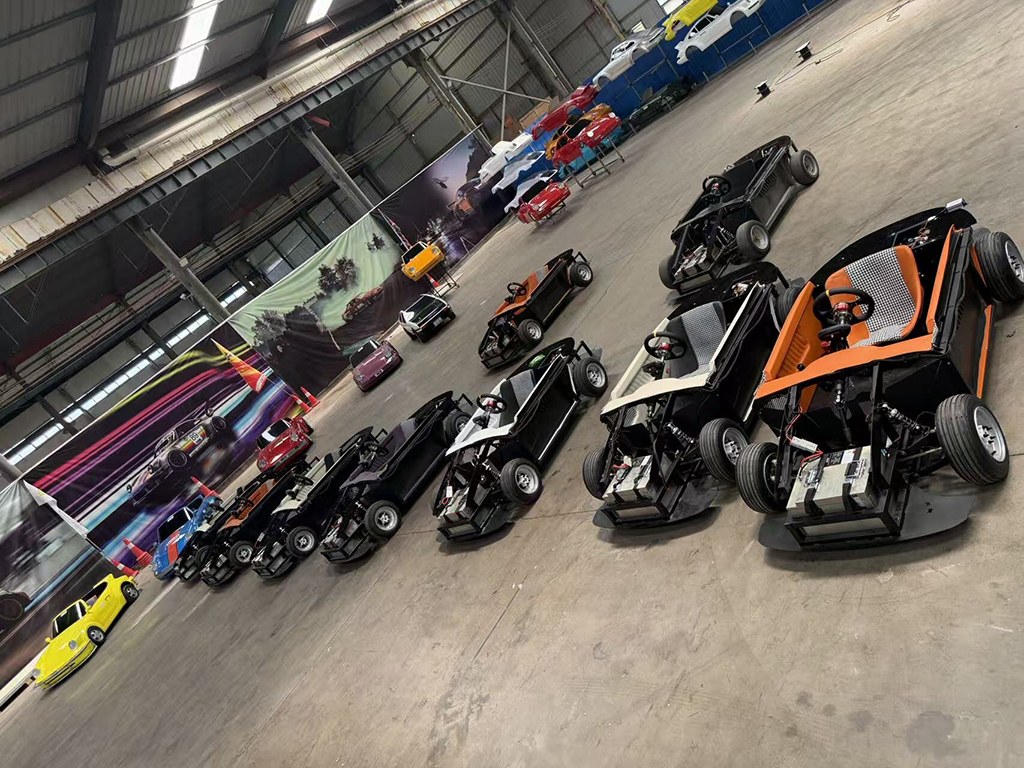
Pressure deserves its own line on the go kart maintenance checklist. Under-inflation is the quiet killer. A rear tire a few psi below spec runs hot, feels vague to the driver, and wears its shoulder faster than the tire beside it. Pick one pressure per axle, write it on the pit wall, and check it cold.
Fasteners are the other weekly item a go kart maintenance checklist tends to skip. Vibration indoors is constant and low amplitude, which is exactly the load that walks a bolt out over a hundred sessions. A paint pen line across each critical nut turns the check into a glance.
Battery Care on a 72 V Electric Fleet
Our drift platforms run a 72 V 50 Ah pack and a 2500 W mid-mounted motor. They are rated at 80 km/h (50 mph) and 60 km (37 mi) of range. Indoors you will never use that top speed, but you will use the pack hard: eight-minute sessions, back to back, all weekend.
Three habits keep a pack healthy, and they belong on any go kart maintenance checklist for an electric venue. Charge between sessions instead of running to empty, because shallow cycles cost less capacity than deep ones. Let a warm pack rest a few minutes before it goes on the charger. Keep the charging area ventilated, with detection and a written procedure that names one person.
The electrical side is a fixed installation, not an accessory. In the US the reference is NFPA 70, the National Electrical Code. In a leased unit, that conversation belongs with the landlord’s electrician before the karts arrive. Operators in the UK and Ireland should pair it with the inspection regime in HSG175, which covers the whole installation rather than the vehicle alone.
Drift Wear: What a Rear-Driven Chassis Does to Tires
A drift-capable kart breaks traction at the rear on purpose. That setup writes your maintenance schedule for you. The rear pair does the sliding, the front pair does the steering, and the gap between their wear rates decides when you rotate or replace.
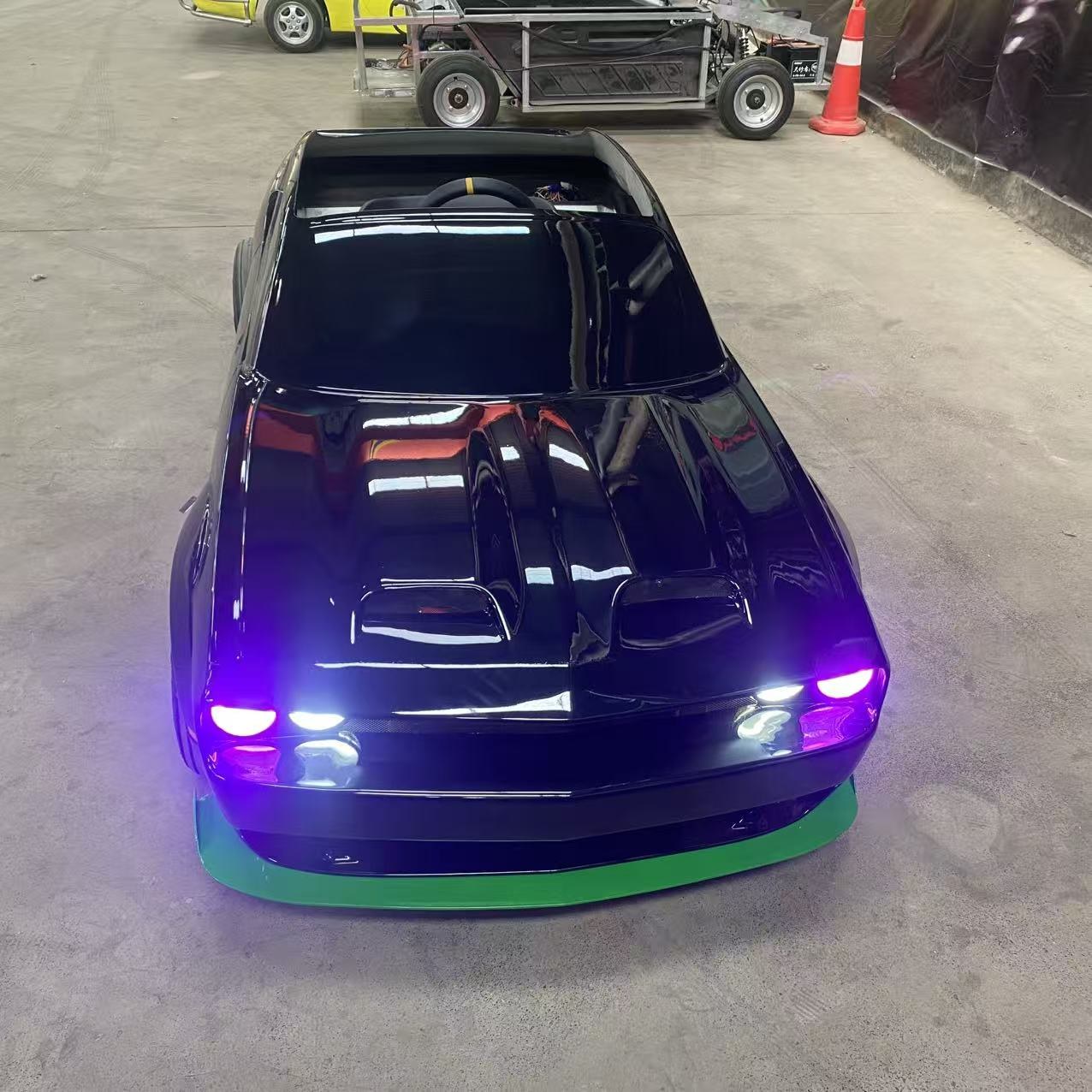
Check the inner and outer shoulder separately. A drift lane that turns mainly one way will wear one shoulder of one tire far faster than the rest. A set that looks legal from the side can be down to the cord on the inside edge. Feel both edges by hand every week, not just the tread centre.
This is why we build the drift platform without a mechanical drift ring. A ring adds a consumable part in the highest-load place on the kart. It also turns a tire decision into a ring, bearing and axle decision. Chassis geometry and tire choice do the work instead, so the wear items stay the four tires you can see. The muscle-style electric drift kart is the platform we supply most often for indoor lanes, and its parts list is deliberately short for this reason.
The Maintenance Log That Pays for Itself
Five columns are enough: kart number, date, sessions run, part fitted, minutes of labour. Nothing clever, and nothing on a tablet that walks away.
After six weeks the log stops being paperwork and starts being a pricing tool. A go kart maintenance checklist is only worth the evidence behind it, and the log is that evidence. You will see which kart is the outlier, which corner of the track eats tires, and what a session really costs you in rubber. That figure is what you take to a supplier when you argue about fleet price. It is also what you take to your accountant at year end.
It protects you after an incident as well. A written record of what was checked, when and by whom is the first thing an insurer asks for. IAAPA’s safety resources set out the reporting habits that turn a bad night into a documented one.
When to Repair and When to Retire a Kart
One workable rule: if a repair bill passes the revenue that kart would earn in the next month, retire it to spares. Small venues rarely apply that rule. They then wonder why the oldest three karts absorb half the workshop hours.
Frame straightness is the other retirement trigger. A kart that took a hard hit and now steers with a bias will keep eating front tires, however often you align it. Put the fleet on a flat floor, sight down the chassis rails, and compare wheelbase left to right with a tape measure.
FAQ
How often should rental karts be serviced?
Daily for the visual walk-around, weekly for tires, brakes, bearings and fasteners, monthly for chassis, welds and a full electrical inspection. Session count matters more than calendar time. A kart running sixty sessions a week needs the weekly work every week, not when it is convenient.
What belongs on a daily go kart maintenance checklist?
Tires, wheel nuts, brakes, steering play, panels and the seat. Five minutes per kart is realistic on a cold fleet, and it catches most of what strands a kart mid-session.
Do electric karts need less maintenance than petrol karts?
They need different maintenance, not always less. There is no oil, no spark plug, no carburettor, and no exhaust to heat-soak a basement. What replaces that work is battery care, connector inspection and charger discipline. That is a shorter list, but a less forgiving one.
Print the daily five, tape it inside the pit lane, and give one named person the log. If you are planning a new fleet, our fleet and venue solutions page covers sizing and layout, and the support team can send the parts list and wear intervals for the platform you run.