Most 2027 budgets are still being written on a 2019 template: buy karts, sell laps, and hope the weekends carry the month. That template no longer matches the way indoor venues earn. The indoor karting trends below are not conference talking points. Each one moves a specific line in the operating budget, and each one gets more expensive to ignore the longer it is deferred.
Five shifts matter for a rental site: how the fleet is powered, who is actually booking, what the session sells, how that session is priced, and what paperwork stands between you and a purchase order. Work through them in that order and the numbers stay honest.
What These Indoor Karting Trends Actually Change
A shift only counts as operational if it moves one of three numbers: capital cost, cost per session, or sessions per hour. Filter every supplier pitch through those three and most of the noise disappears.
The same filter explains why some changes arrive quietly. Nobody renames a business because the drivetrain changed, yet a venue running electric karts indoors stops budgeting for fuel handling and extraction, and starts budgeting for chargers and pack replacement instead. Indoors, that is not a detail. It decides how much of the floor you can actually sell, which is the mapping our rental and venue fleet planning page works through.
Shift 1: Electric Stops Being the Premium Option
Indoor sites never really had a choice. A petrol engine inside a building means extraction, carbon monoxide monitoring and noise control, and most leases and insurers treat it as a hard limit rather than a cost to negotiate. Electric became the default because petrol stopped being permitted, not because it became fashionable.
The result is a spec floor rather than a spec ceiling. A rental-duty unit in 2027 looks like a 2500 W mid-mounted motor, a 72 V 50 Ah pack, 80 km/h (50 mph) top speed, 60 km (37 mi) of range and a 300 kg (661 lb) load rating, which covers two adults without argument. Below that, you are buying a fun kart, not a fleet kart. Junior settings usually come from the controller map rather than a second motor, so ask for them at specification stage instead of after delivery.
Where the money actually moved
- Out: fuel storage, extraction ducting, fuel handling time, carburettor and spark plug servicing.
- In: charger bays, spare packs for back-to-back blocks, and a replacement reserve for the packs themselves.
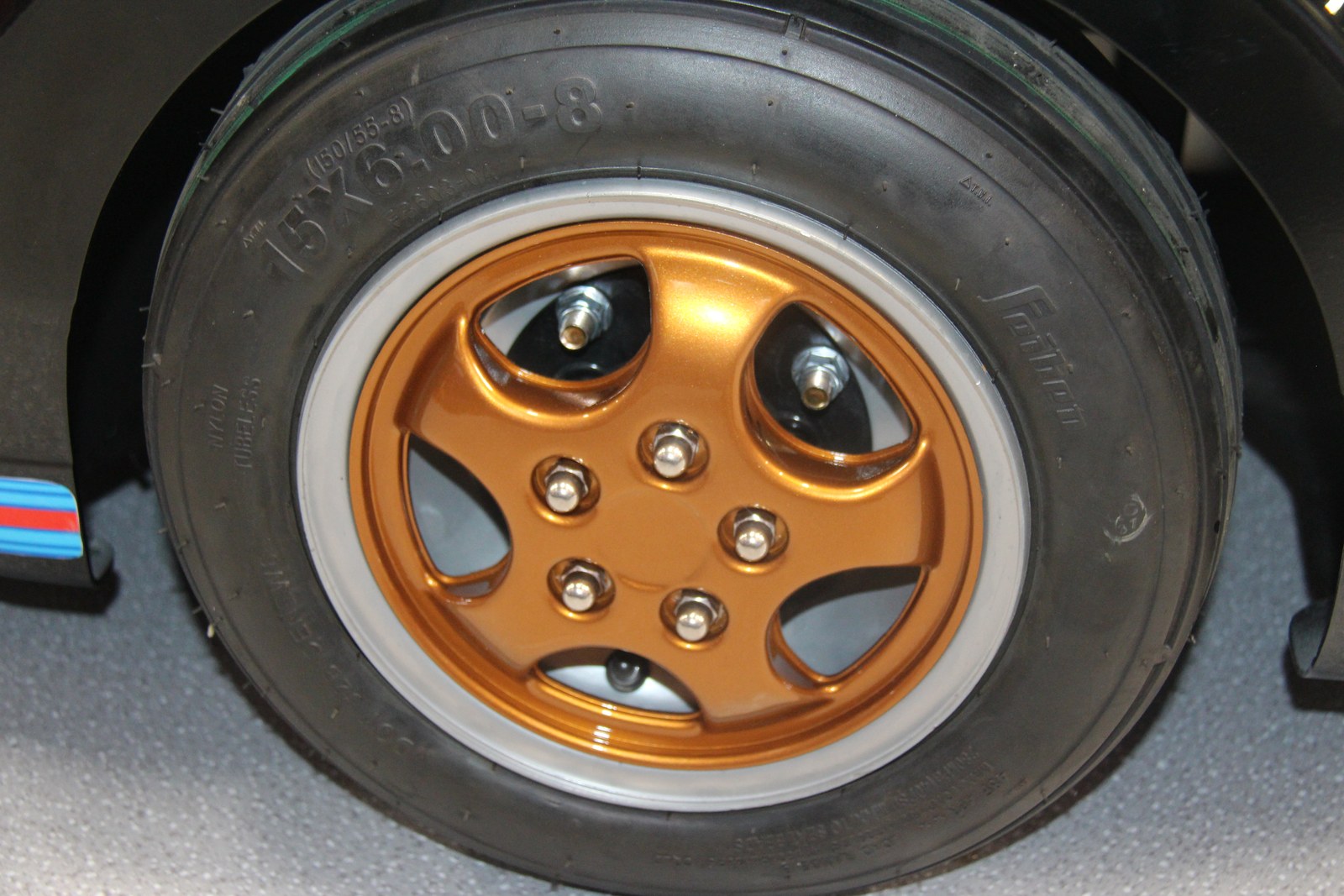
- Unchanged: tires, brakes, bearings and body panels, which never cared what turned the axle.
Skipping that third line is the classic budgeting error. Electric removes the fuel bill and the engine service, not the consumables.
Shift 2: Family Blocks Outearn Late-Night Leagues
The fastest-growing booking at many venues is not a 24-year-old chasing a lap record. It is a parent paying for ninety minutes and eight kids, or three families splitting a Saturday morning. Karting has moved into the attraction mix of family entertainment venues rather than sitting beside it, and the operator community around IAAPA is where those format benchmarks get traded. That is the second of these indoor karting trends, and it moves the fleet specification before it moves the marketing plan.
That changes what the fleet has to do. A family block needs two-seat karts, junior speed settings, and a marshal who can brief a nervous eight-year-old in ninety seconds. It also needs a kart an adult can get into without folding in half, which is a fit question before it is a performance question.
Why two-seaters earn their keep
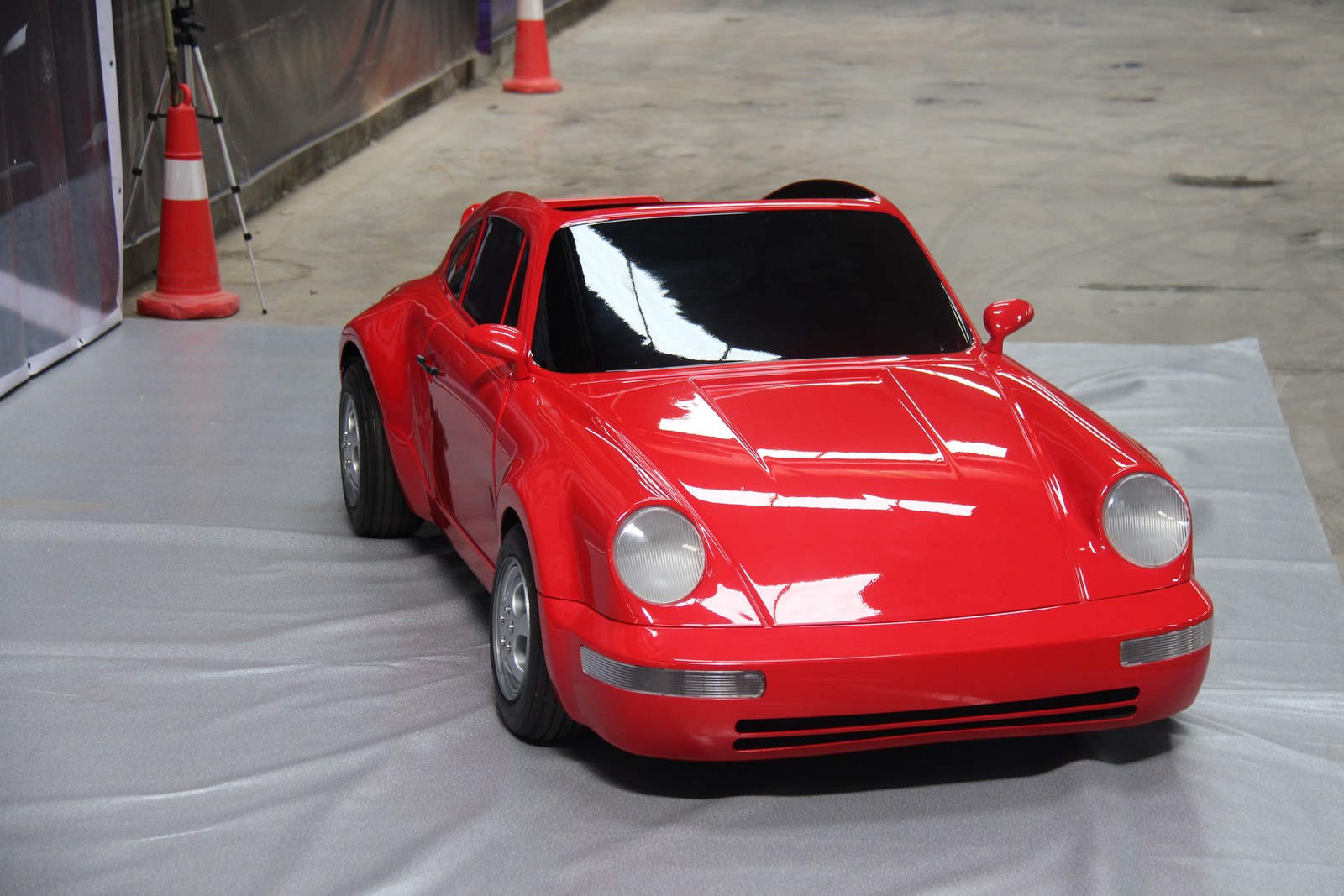
Two-seaters are the swing unit in a mixed fleet, because they sell a parent-and-child pair that no single-seater can sell. The 964-style convertible is built on one chassis in single or double seat, so a mixed fleet shares spares instead of doubling them.
Shift 3: Drift Formats Replace the Lap-Time Board
Lap times only work for drivers who can read them. A first-timer who posts 41.2 seconds has no idea whether that is quick. A kart that steps out and holds a slide is legible to everyone in the building, including the group waiting on the bench.
That is why venues now sell drift sessions as a product rather than a side effect. The format needs no timing hardware, and it travels on social media because the visual is the product. It is also the cheapest of these indoor karting trends to test, because the only new cost is instructor time.
The eight-minute drill that gets beginners sideways
- Two laps at walking pace, hands only. No throttle input at all. The driver learns where the kart turns before learning how it slides.
- Four laps lifting off before the apex. No brake, no throttle. The rear steps out on its own at low speed, which is the entire lesson.
- Two laps adding a quarter throttle once the slide has started, catching it with the wheel rather than the pedal.
Order matters more than duration. A driver who has already caught one slide does not panic on the second, so teaching the recovery before the speed is what keeps the drill short.
Shift 4: Sessions Get Re-Priced Around Throughput
Session length is the most under-managed price lever on a rental site. Ten minutes feels generous to the customer, but every extra minute of track time is a minute the whole fleet is unavailable, and the fleet is the asset.
| Session | Turnaround | Cycles per hour | Seats per hour (12 karts) | Where it works |
|---|---|---|---|---|
| 6 min | 2 min | 7.5 | 90 | Sprint blocks for repeat riders |
| 8 min | 2 min | 6.0 | 72 | First-timers and family blocks |
| 10 min | 2 min | 5.0 | 60 | Easy to sell, costs 12 seats an hour |
| 15 min | 2 min | 3.5 | 42 | Premium pricing or quiet slots |
| 20 min | 3 min | 2.6 | 31 | Private hire and league nights |
The table is a ceiling, not a forecast. Briefings, marshal breaks and the walk back to the gate all come out of it, and a busy Saturday rarely clears more than four cycles an hour on any of these rows.
What the arithmetic argues for is pricing the block rather than the minute. An eight-minute session at a slightly higher price beats a ten-minute session at a lower one, because the shorter block returns twelve more seats an hour at twelve karts. The throughput argument is the least glamorous of these indoor karting trends, and it pays first.
Shift 5: Compliance Becomes a Purchasing Filter
The last of these indoor karting trends is the least exciting and the most likely to stop a deal. Documentation now sits inside the buying decision rather than after it. A kart sold into the EU is machinery, and machinery needs a technical file and a declaration of conformity before it can be placed on the market. The European Commission machinery pages set out what that file has to contain under Directive 2006/42/EC.
Operating records follow the same logic. Regulators treat documented inspection and maintenance as part of running powered attractions safely, which is how the UK Health and Safety Executive frames the duty on fairground and amusement operators.
Three lines to add to the 2027 budget
- A printed per-kart inspection sheet, signed and filed, not a phone app that gets skipped on the third kart of the morning.
- Evidence for the load rating. A 300 kg (661 lb) figure on a two-seat unit is something you may have to prove, not just print.
- Training records for every marshal who briefs riders, refreshed when the format changes.
What the Five Shifts Add Up To
Read together, these indoor karting trends point at one purchase decision and one pricing decision. The kart has to be specified for family duty and drift duty at the same time, and the session has to be priced as a block rather than as minutes on a stopwatch.
| Budget line | What changed | 2027 move |
|---|---|---|
| Fleet capital | Electric is the indoor baseline | Write 2500 W and 72 V 50 Ah into the spec, not the upgrade column |
| Energy | Chargers and packs replace fuel handling | Budget charger bays plus spare packs for back-to-back blocks |
| Format | Family and drift blocks carry the week | Add two-seat units at roughly one per six karts, then adjust from bookings |
| Pricing | Throughput beats session length | Sell eight-minute blocks and multi-race cards |
| Compliance | Paperwork gates the purchase order | Request the declaration of conformity before the deposit |
Where to Start If You Can Only Change One Thing
Measure turnaround for two weeks with a stopwatch before spending anything. Time from kart stop to kart ready, per kart, every block. Nearly every venue that does this finds two minutes hiding in a process rather than in a purchase.
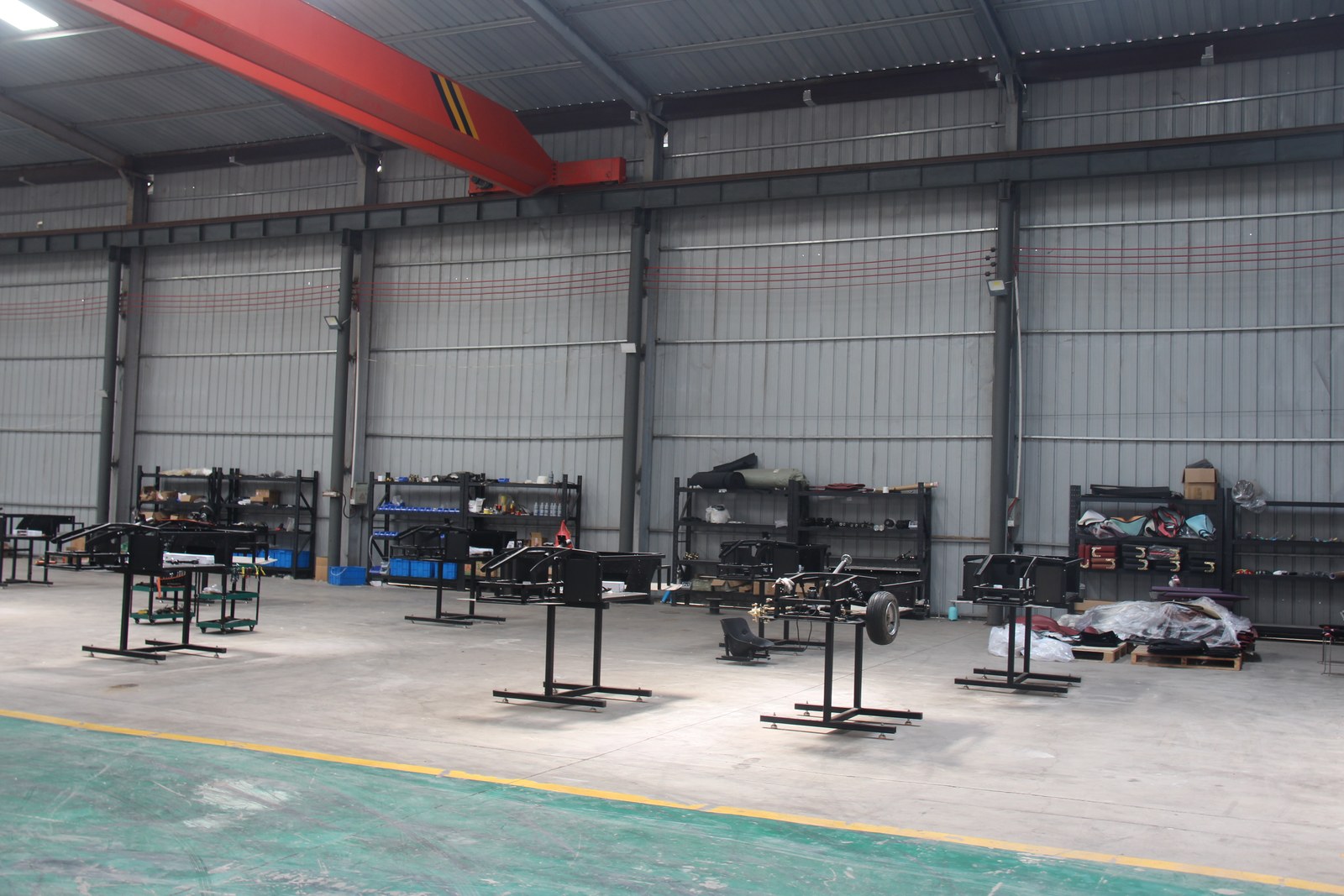
Then look at the fleet. A mix of single and two-seat units covers more booking types than a uniform one, and shared chassis families keep the spares list short. Our electric drift kart range is built around that idea, and customisation at order time is cheaper than a retrofit a season later.
The short version
None of these indoor karting trends demand a rebuild. They demand a budget written for the customer who is actually booking, in a format that customer can actually read.