
Go Kart Noise Levels: 3 Hidden Numbers Your Lease Hides
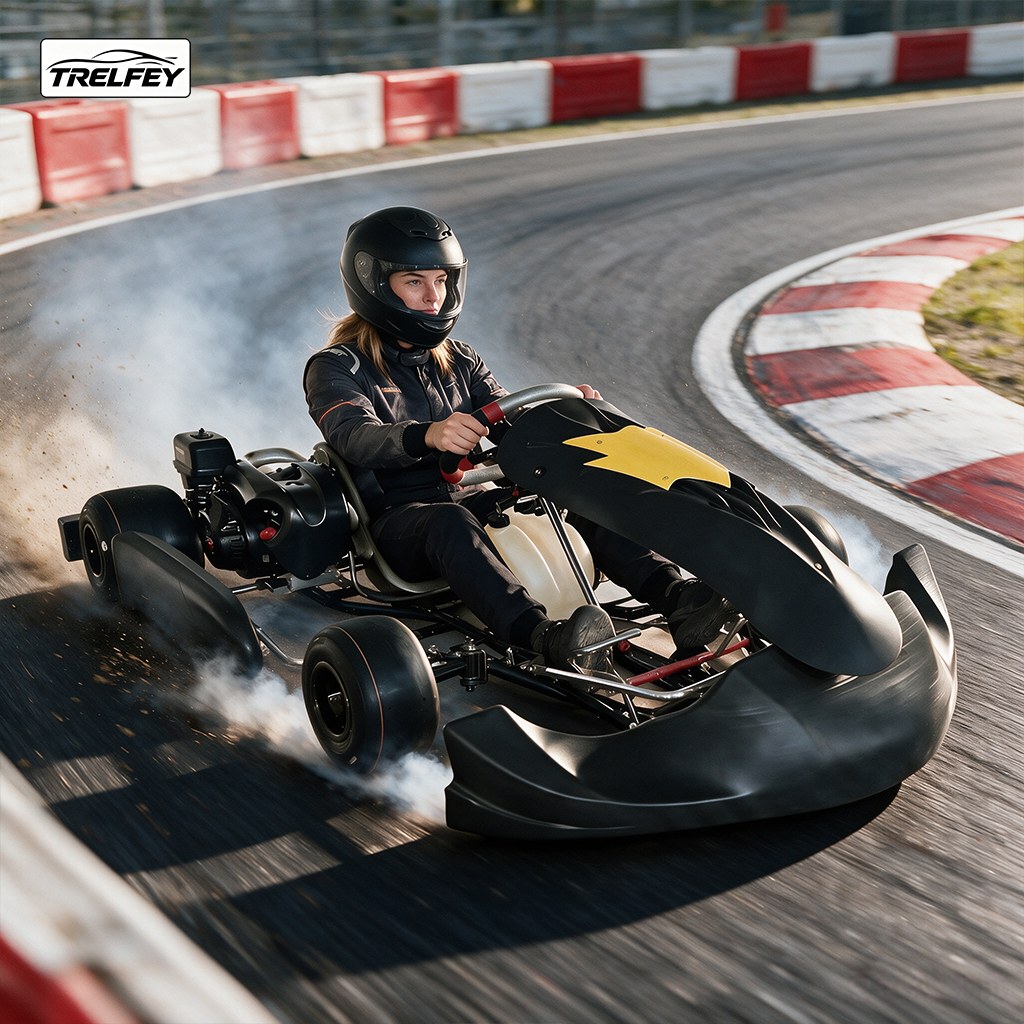
Go kart noise levels decide whether your venue keeps its lease. Measure the right decibels, protect your staff, and cut neighbor complaints.
Kart Replacement: 5 Proven Signals Before the Frame Fails
Kart replacement is a math call, not a gut one. Score five fleet signals, retire on three ambers, and protect peak-season revenue. Get the scorecard.
Karting Track Layout: 4 Proven Ways to Great Revenue Per m²
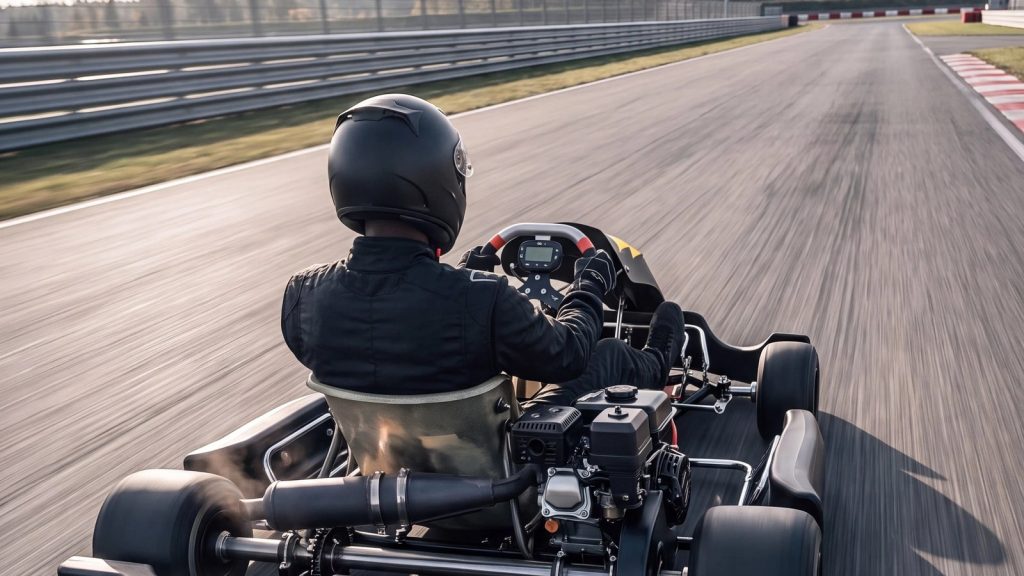
Track layout decides how many paying drivers fit in your hall each hour. Use these four measurements to lift revenue per square meter this season.
Karting League Nights: 6 Proven Steps to a Sold-Out Grid
Start a karting league on your quietest night. Six steps to price, score and staff it, plus the fleet math that keeps the grid full all season.
Indoor Go Kart Ventilation: 3 Numbers That Stop Bad Air

Indoor go kart ventilation decides your margins, your staff turnover and your insurance. See how to size it and fix it fast. Start with the checklist.
Electric Go-Kart Battery Swap: 5 Steps to Stop Peak Losses
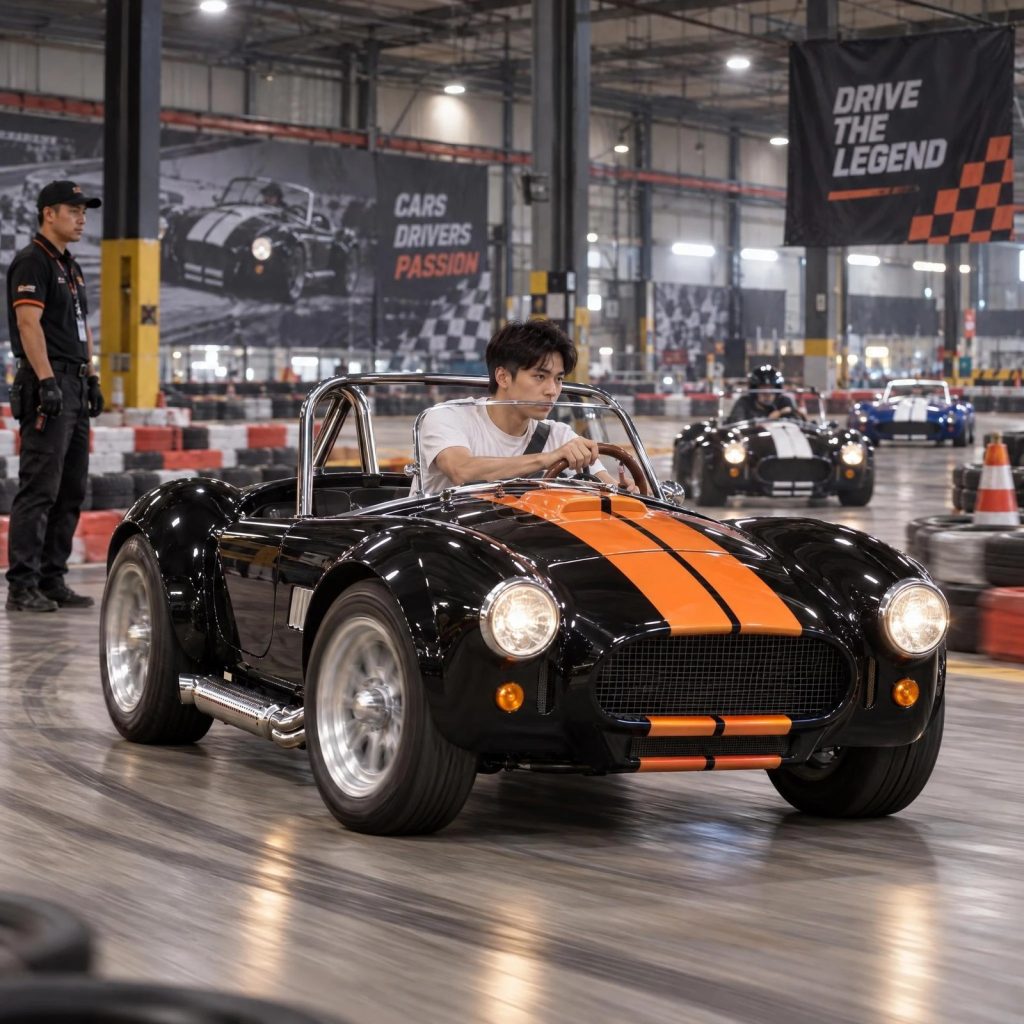
Electric go-kart battery swap done right keeps rental karts earning at peak hour. Get the throughput math, pack counts and a 3-minute routine.
Karting Track Staffing: How Many Marshals Per Shift
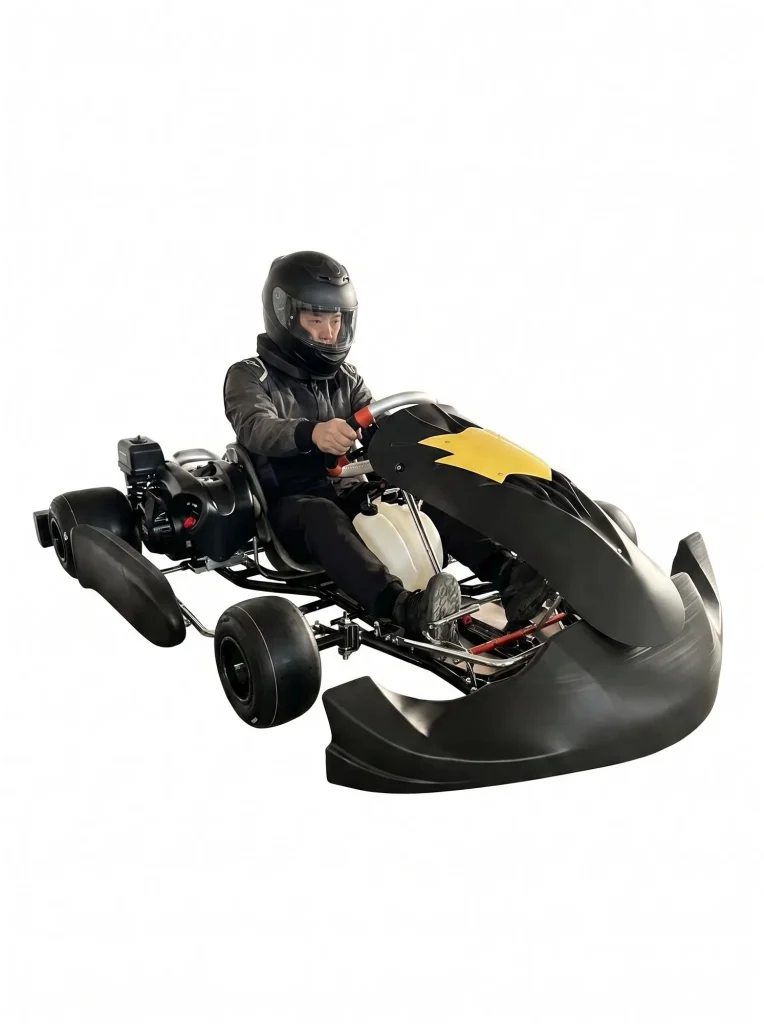
Three marshal seats on a 60-hour trading week is five people on the contract, not three. Here is the ratio, the cover factor and the pit lane post that gets cut first.
Two Minutes Between Sessions: Where Your Karting Turnaround Time Goes

An eight-minute session with a five-minute pit is a 13-minute cycle — 48 rides an hour on twelve karts. Here is the 120-second routine, the two-lane layout and the stopwatch test that get you to 72.